Ecotourism-Based Contextual Science Learning: The Potential of Sade Village as an Outdoor Science Laboratory
DOI:
10.65622/jbee.v2i1.249Downloads
Abstract
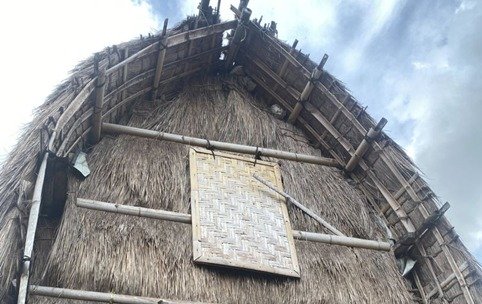
Science learning that is disconnected from real-world contexts limits students' ability to build a meaningful understanding of natural phenomena. Desa Sade, a traditional Sasak village in Central Lombok, offers rich, directly observable scientific phenomena embedded in its vernacular architecture, traditional weaving, and local ecological practices; however, its potential as a contextual science-learning resource remains systematically unexplored. This study aims to identify and describe the science-learning potential of Desa Sade ecotourism as a contextual science resource, based on direct field observations. A descriptive-exploratory qualitative approach was employed, using non-participant field observation. Data were analyzed using a qualitative-descriptive technique involving data reduction, narrative presentation linking phenomena to scientific concepts, and drawing conclusions based on the alignment between field findings and core scientific competencies. Results identified 13 distinct scientific phenomena across three domains: (1) vernacular architecture demonstrating thermal insulation in Alang-alang roofing and mechanical advantage in stone stairs; (2) traditional weaving illustrating subtractive color mixing and the biological properties of cellulose fibers; and (3) ecological practices, such as fermented buffalo manure flooring, providing a context for biological decomposition and microbial activity. These findings confirm that Desa Sade serves as a multi-disciplinary outdoor laboratory that bridges abstract concepts with authentic cultural contexts. Consequently, integrating ecotourism visits into middle and high school science curricula is highly recommended as a place-based pedagogical strategy to strengthen scientific literacy and cultivate sustainable cultural and environmental conservation values.
Keywords:
contextual learning Desa Sade ecotourism outdoor learning science literacyReferences
Arfan, A., Sanusi, W., Rakib, M., Juanda, M. F., & Sukri, I. (2024). Mangrove ecosystem management strategy to support sustainable development goal 14. Environmental Research, Engineering and Management, 80(1), 64-76. https://doi.org/10.5755/j01.erem.80.1.33887
Asrial, A., Syahrial, S., Kurniawan, D. A., Chen, D., & Wulandari, M. (2022). E-module mangrove ecotourism: Difference and relationship perception, interest, and environment character care elementary students. Jurnal Ilmiah Peuradeun, 10(3), 661. https://doi.org/10.26811/peuradeun.v10i3.757
Basri, M., Suparman, A., & Hidayat, T. (2023). Karakteristik arsitektur vernakular rumah adat Sasak Desa Sade Lombok Tengah. Jurnal Arsitektur dan Lingkungan, 12(2), 88-102. https://doi.org/10.20961/arst.v12i2.65412
Creswell, J. W., & Poth, C. N. (2018). Qualitative inquiry and research design: Choosing among five approaches (4th ed.). SAGE Publications.
Dettweiler, U., Ünlü, A., Lauterbach, G., Becker, C., & Gschrey, B. (2022). Investigating the motivational behavior of pupils during outdoor education in school gardens. Frontiers in Psychology, 13, 835335. https://doi.org/10.3389/fpsyg.2022.835335
Ensiyawatin, A. Z., Sumarmi, & Astina, I. K. (2021). Development of supplementary contextual teaching materials based on ecotourism and natural resource management. IOP Conference Series: Earth and Environmental Science, 747(1), 012007. https://doi.org/10.1088/1755-1315/747/1/012007
Falk, J. H., & Dierking, L. D. (2000). Learning from museums: Visitor experiences and the making of meaning. AltaMira Press.
Hakim, A., Jamaluddin, J., Al Idrus, S. W., & Ramandha, M. E. P. (2020). he Use of SASAMBO Culture in Learning Natural Product Chemistry to Support Traditional Health Tourism in Lombok and Sumbawa Islands. Jurnal Penelitian Pendidikan IPA, 6(1), 1–8. https://doi.org/10.29303/jppipa.v6i1.435
Hamid, H., Purwoko, A. A., Harjono, A., Al Idrus, A., Rokhmat, J., & Sukarso, A. A. (2024). Analysis of scientific literacy research in Indonesia as a basis for developing ecotourism-based teaching materials: Literature review. AMPLITUDO: Journal of Science and Technology Innovation, 3(1), 41-49. https://doi.org/10.56566/amplitudo.v3i1.172
Hendratno, Istiq’faroh, N., & Yasin, F. N. (2025). Effectiveness of local culture supplement books in improving students’ ecoliteracy in coastal areas. Perspektivy nauki i obrazovania, (1), 202–216. https://doi.org/10.32744/pse.2025.1.13
Indiati, I., Marfiana, T., & Roshayanti, F. (2025). Mangrove forests as a learning resource: Improving students’ science literacy in ESD-oriented science learning. Architecture Image Studies, 6(3), 1433-1450. https://doi.org/10.62754/ais.v6i3.471
Johnson, E. B. (2002). Contextual teaching and learning: What it is and why it’s here to stay. Corwin Press.
Khuadthong, B., Rattanapong, T., Imjai, N., & Aujirapongpan, S. (2025). Sustainable tourism awareness in Thai Gen Z tourists: Roles and themes associated with scientific literacy and sociological and critical thinking skills. Journal of Hospitality and Tourism Management, 101316. https://doi.org/10.1016/j.jhtm.2025.101316
King, H., García-Rosell, J. C., & Noakes, S. (2020). Promoting children-nature relations through play-based learning in ecotourism sites. Journal of Teaching in Travel & Tourism, 20(3), 190-201. https://doi.org/10.1080/15313220.2020.1797612
Kolb, D. A. (1984). Experiential learning: Experience as the source of learning and development. Prentice Hall.
Kurnia, R. P., & Suryadharma, I. G. P. (2016). Perangkat pembelajaran biologi kegiatan ecotourism untuk mengasah keterampilan proses sains dan sikap peduli lingkungan. Jurnal Inovasi Pendidikan IPA, 2(2), 230-240. https://doi.org/10.21831/jipi.v2i2.1225
Lee, A. (2023). The importance of cultivating awareness of environmental matters in science classrooms: a cross-regional study. Australian Journal of Environmental Education, 39(4), 467-491. https://doi.org/10.1017/aee.2023.7
Miles, M. B., Huberman, A. M., & Saldãna, J. (2014). Qualitative data analysis: A methods sourcebook (3rd ed.). SAGE Publications.
Mualimin, M., Pamungkas, R., Khoirunnisa, N., Nareswari, A., & Febriyantiningrum, K. (2025). Ethnobotanical knowledge in Javanese rituals as contextual resources for biology education. Jurnal Pendidikan Biologi Indonesia, 11(2), 797-810. https://doi.org/10.22219/jpbi.v11i2.40943
Muchsin, A., Supriatno, B., & Anggraeni, S. (2023). Identifikasi indigenous knowledge suku Sasak untuk pembelajaran biologi merdeka belajar. Jurnal Paedagogy, 10(1), 187–196. https://doi.org/10.33394/jp.v10i1.5720
OECD. (2023). PISA 2022 results (Volume I): The state of learning and equity in education. OECD Publishing. https://doi.org/10.1787/53f23881-en
Rahayu, M., Keim, A. P., Nikmatullah, M., Rustiami, H., Susan, D., & Sujarwo, W. (2021). The ethnoecology of Sasak people in Mandalika, Lombok Island. Jurnal Pendidikan IPA Indonesia, 10(3), 407-415. https://doi.org/10.15294/JPII.V10I3.30343
Rajendra, A. (2021). Contemporary challenges of Indonesian vernacular architecture in responding to climate change. IOP Conference Series: Earth and Environmental Science, 824, 012094. https://doi.org/10.1088/1755-1315/824/1/012094
Rickinson, M., Dillon, J., Teamey, K., Morris, M., Choi, M. Y., Sanders, D., & Benefield, P. (2004). A review of research on outdoor learning. National Foundation for Educational Research and King’s College London.
Santoso, D., Syukur, A., Zulkifli, L., & Zulhalifah. (2023). The suitability of natural science teaching materials based on mangrove ecosystems to improve environmental literacy of junior high school students in the South coast of East Lombok. AIP Conference Proceedings, 2619(1), 100016. https://doi.org/10.1063/5.0123388
Segara, N. B., Suprijono, A., & Marzuqi, M. I. (2023). Outdoor learning model utilizing cultural heritage for education for sustainable development. Indonesian Journal of Educational Research and Review, 6(2), 356-371. https://doi.org/10.23887/ijerr.v6i2.58892
Seran, W., Kaho, L. M. R., Pellondo’u, M. E., Ly, A., & Mau, A. (2024). Diversity and ethnobotany of plants used as natural dye in traditional woven fabric, Belu Regency, Indonesia. Biodiversitas, 25, 4415-4424. https://doi.org/10.13057/biodiv/d251818
Singh-Pillay, A., & Madlala, A. (2026). Legitimising indigenous knowledge systems as a pathway to sustainable development. Discover Education, 5(1), 87. https://doi.org/10.1007/s44217-025-01062-9
Subur, R., Abubakar, S., & Susanto, A. N. (2022). Suitability of mangrove ecotourism in Payo Village, West Halmahera regency. Jurnal Pengelolaan Sumberdaya Alam dan Lingkungan, 12(1), 12-20. http://dx.doi.org/10.29244/jpsl.12.1.12-20
Sugiyono. (2020). Metode penelitian kualitatif (3rd ed.). Alfabeta.
Sumarni, W., Sudarmin, S., Sumarti, S. S., & Kadarwati, S. (2022). Indigenous knowledge in science teaching and learning with STEM approach. Cultural Studies of Science Education, 17(2), 467-510. https://doi.org/10.1007/s11422-021-10067-3
Syahmani, Sauqina, & Hafizah, E. (2021). Korelasi literasi lingkungan dan literasi sains siswa. IOP Conference Series: Earth and Environmental Science, 758(1), 012014. https://doi.org/10.1088/1755-1315/758/1/012014
Vygotsky, L. S. (1978). Mind in society: The development of higher psychological processes. Harvard University Press.
Yamin, M., Jufri, A. W., Jamaluddin, Termizi Borhan, M., & Hardianti, B. S. W. (2025). Contextual learning with Megapodius reinwardt ecotourism: A sustainable education approach and its impact on students’ science process skills. Jurnal Pendidikan IPA Indonesia, 14(4). https://doi.org/10.15294/jpii.v14i4.31292
License
Copyright (c) 2026 Neli Yuliani, Faridatunnisa, Lalu Firman Jundi Hidayatullah

This work is licensed under a Creative Commons Attribution 4.0 International License.