The Effect of the Jigsaw Type Cooperative Learning Model on Students’ Conceptual Understanding of Collisions Material
DOI:
10.65622/ijei.v2i1.244Downloads
Abstract
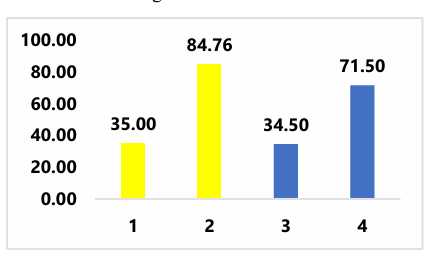
Low understanding of physics concepts is often caused by learning models that do not facilitate active student interaction in the dissection of abstract phenomena. This study aims to analyze the effect of implementing the Jigsaw-type cooperative learning model on students’ conceptual understanding of collision material at MA Nurul Iman. The method used was a quasi-experimental design with a Nonequivalent Control Group Design, involving the experimental class of 21 students and the control class of 20 students. The results of the data analysis using the Independent Samples T-Test showed a significance value of 0.000, indicating a significant difference in achievement between the two groups. The increase in conceptual understanding in the experimental class reached an N-gain score of 0.76 (High category), surpassing that of the control class, which achieved 0.56 (Medium category). The Jigsaw model is significantly more effective at improving students’ cognitive quality than the conventional model, thanks to individual responsibility mechanisms and peer tutoring. These findings contribute to the development of active learning strategies in secondary schools. Recommendations for educators to integrate cooperative models to overcome visualization barriers in complex mechanical concepts.
Keywords:
Cooperative Model Jigsaw Understanding Physics Concepts CollisionsReferences
Amrullah, L. A., Muhajir, M. F., & Makhrus, M. (2025). Pengenalan E-LKPD Terintegrasi Pendekatan Multimodal: Strategi Praktis Pendorong Keterlibatan Peserta Didik SMAN 1 Mataram. Indonesian Journal of Education and Community Services, 5(2), 102–108. https://journal.publication-center.com/index.php/ijecs/article/view/1909
Ardiansah, D. (2025). Analisis Strategi Multimodal: Navigasi Proses Interaksi Dalam Analisis Wacana Kelas. Multidisciplinary Indonesian Center Journal (MICJO), 2(1), 775–786. https://doi.org/https://doi.org/10.62567/micjo.v2i1.547
Aronson, E. (2021). The jigsaw classroom: A personal odyssey into a systemic national problem. In Pioneering perspectives in cooperative learning (pp. 146–164). Routledge.
Ayu, I. G., Mammadova, I., & Masykuri, E. S. (2021). Cooperative Learning by Jigsaw to Improve Learning Outcomes for Eight-Grade-Students. Scripta: English Department Journal, 8(2), 45–54.
Balaka, M. Y. (2022). Buku Metodologi Penelitian Kuantitatif. Penerbit Widina.
Gallardo, T., Guerrero, L. A., Collazos, C., Pino, J. A., & Ochoa, S. (2003). Supporting JIGSAW-type collaborative learning. 36th Annual Hawaii International Conference on System Sciences, 2003. Proceedings of The, 8-pp.
Gillies, R., & Ashman, A. (2003). Cooperative learning. Taylor & Francis.
Gultom, M., & Bestari, F. (2025). Meningkatkan Hasil Belajar PPKn pada Siswa Kelas V Melalui Model Pembelajaran Kooperatif Tipe Jigsaw. Jurnal Pendidikan Dasar Dan Menengah, 3(1), 40–53. https://doi.org/https://doi.org/10.69743/edumedia.v3i1.20
Gunawan, G., Kosim, K., Zainuri, B. N. S., & Qothrunnada, Q. (2025). Multimodal Approaches in Science Teacher Education: An Integrative Review of Technologies, Representations, and Pedagogical Models. Indonesian Journal of Teacher Education, 6(1), 10–20. https://journal.publication-center.com/index.php/ijte/article/view/1968
Hake, R. R. (1998). Interactive-engagement versus traditional methods: A six-thousand-student survey of mechanics test data for introductory physics courses. American Journal of Physics, 66(1), 64–74.
Hasanah, Z., & Himami, A. S. (2021). Model pembelajaran kooperatif dalam menumbuhkan keaktifan belajar siswa. Irsyaduna: Jurnal Studi Kemahasiswaaan, 1(1), 1–13. https://jurnal.stituwjombang.ac.id/index.php/irsyaduna/article/view/236
Hildayanti, J., Kosim, K., & Gunawan, G. (2025). The Effect of Problem-Based Learning Supported by Interactive Media on Students’ Physics Learning Outcomes. Indonesian Journal of STEM Education, 7(2), 90–98. https://journal.publication-center.com/index.php/ijse/article/view/1866
Ihsan, M. B., & Artika, I. W. (2025). Integrasi mamangan adat Minangkabau dalam pembelajaran Bahasa Indonesia berbasis teori konstruktivisme sosial Vygotsky untuk pengembangan literasi kritis. Journal of Social Humanities and Education, 1(2), 212–220. https://scriptaintelektual.com/scripta-humanika/article/view/400
Indah, I. S. R., & Hasanuddin, H. (2025). Analisis Bibliometrik Menggunakan Metode Kooperatif Tipe Jigsaw untuk Meningkatkan Kemampuan Komunikasi Matematis. AL-AQSHA: Jurnal Pendidikan Islam, 2(1), 11–24. http://jurnal-staibalikpapan.my.id/index.php/al-aqsha/article/view/30
Johnson, D. W., Johnson, R. T., & Smith, K. A. (1984). Cooperative learning. Interaction Book Company New Brighton.
Julhadi, Susilawati, D., Rosa, S., Adriani, P., Ganiem, L., & Fazilla, S. (2021). Metodologi Penelitian Pendidikan (N. Saputra, Ed.). Yayasan Penerbit Muhammad Zaini.
Kahar, M. S., Anwar, Z., & Murpri, D. K. (2020). Pengaruh model pembelajaran kooperatif tipe jigsaw terhadap peningkatan hasil belajar. AKSIOMA: Jurnal Program Studi Pendidikan Matematika, 9(2), 279–295. https://doi.org/https://doi.org/10.24127/ajpm.v9i2.2704
Marlina, S. (2025). Pengaruh Model Pembelajaran Kooperatif Tipe Jigsaw terhadap Hasil Belajar IPA di Sekolah Dasar. Jurnal Pendidikan Guru Sekolah Dasar Indonesia, 1(1), 10–18. https://pustakajurnal.web.id/index.php/jpgsdi/article/view/2
Naibaho, A. S., & Wahyuni, L. (2024). A Pembelajaran Teks Persuasi dengan Pendekatan Multimodal Berbasis Poster untuk Meningkatkan Kreativitas Siswa Kelas XI. JIIP-Jurnal Ilmiah Ilmu Pendidikan, 7(4), 3587–3597. https://doi.org/https://doi.org/10.54371/jiip.v7i4.3953
Nasrudin, J. (2019). Metodologi Penelitian Pendidikan: Buku ajar praktis cara membuat penelitian. Pantera Publishing.
Newman, F., & Holzman, L. (2013). Lev Vygotsky (classic edition): Revolutionary scientist. Psychology Press.
Prasetyo, S. W., Hanafi, Y., & Sagitha, F. D. (2025). Membangun minat belajar IPA siswa SMP melalui strategi pembelajaran kooperatif tipe Jigsaw. Journal of Innovation and Teacher Professionalism, 3(2), 383–390. https://doi.org/https://doi.org/10.17977/um084v3i22025p383-390
Qothrunnada, Baiq Nabila Saufika Zainuri, Gunawan, & Kosim. (2025). Pengenalan Model PBL dengan Pendekatan Multimodal Untuk Meningkatkan Kemampuan Berpikir Kritis Dan Literasi Digital Siswa SMPN 1 Gerung. Indonesian Journal of Education and Community Services, 5(2), 67–74. https://journal.publication-center.com/index.php/ijecs/article/view/1887
Ramadhanti, S. L., Konjin, H. C. T., Wadud, A. J., Nadlir, N., & Wakhidah, N. (2025). Model Pembelajaran Kooperatif Tipe Jigsaw dalam Pembelajaran IPA di Sekolah Dasar. Journal of Instructional and Development Researches, 5(2), 192–201. https://journal.iel-education.org/index.php/JIDeR/article/view/452
Rasyid, F. (2022). Metode Penelitian Kualitatif dan Kuantitatif Teori, Metode dan Praktek. IAIN Kediri Press.
Rukmini, H., & Mafaza, M. (2022). Meningkatkan Pemahaman Siswa dengan Menerapkan Model Kooperatif Tipe Jigsaw pada Pembelajaran Pelajaran Fisika. Jurnal Ilmiah Pendidik Indonesia, 1(1), 1–7. https://doi.org/10.56916/jipi.v1i1.114
Safitri, I., Kaniawati, I., & Rusnayati, H. (2020). Penerapan Multirepresentasi Pada Pembelajaran Inkuiri Terbimbing Terhadap Penguasaan Konsep Dari Gaya Belajar. Jurnal Pendidikan Fisika Dan Teknologi, 6(2), 169–174. https://doi.org/10.29303/jpft.v6i2.1870
Slavin, R. E. (1991). Student team learning: A practical guide to cooperative learning. ERIC.
Slavin, R. E., Hurley, E. A., & Chamberlain, A. (2003). Cooperative learning and achievement: Theory and research. Handbook of Psychology: Educational Psychology, 7, 177–198.
Sugiyono. (2023). Metode Penelitian Kuantitatif Kualitatif dan R&D (edisi ke lima). ALFABETA.
Suparya, I. K., Suastra, I. W., & Arnyana, I. B. P. (2022). Rendahnya literasi sains: faktor penyebab dan alternatif solusinya. Jurnal Ilmiah Pendidikan Citra Bakti, 9(1), 153–166.
Ulfa, M., Wahyudi, W., Gunawan, G., & Gunada, I. W. (2024). The Effect of Project-Based Learning on Student Creativity in Physics Learning. Indonesian Journal of STEM Education, 6(2), 75–85. https://journal.publication-center.com/index.php/ijse/article/view/1648
Verawati, N., Rahayu, S., & Detri, N. F. A. (2020). Efek Model Pembelajaran Kooperatif Tipe STAD dan Jigsaw Terhadap Penguasaan Konsep Fisika. Jurnal Ilmu Sosial Dan Pendidikan, 4(1), 321–326. https://pdfs.semanticscholar.org/a91e/9e1d9e707820dcc44889ad686bad146d91f8.pdf
Wirandini, D. A. S., Nurhidayati, H., Sari, D. A. K., Segara, N. B., & Ningrawati, T. (2024). Penerapan Model Pembelajaran Kooperatif Tipe Jigsaw untuk Meningkatkan Kolaborasi Peserta Didik pada Mata Pelajaran IPS. Entita: Jurnal Pendidikan Ilmu Pengetahuan Sosial Dan Ilmu-Ilmu Sosial, 6(1), 87–104. https://ejournal.iainmadura.ac.id/index.php/entita/article/view/13545
Zahara, D., Meisahruni, R. S., Purba, S. N., & Syahrial, S. (2025). Tinjauan Komprehensif Berbasis Literatur: Penerapan Metode Jigsaw Dalam Pembelajaran IPS Untuk Menumbuhkan Keaktifan Peserta Didik SD. Jurnal Intelek Insan Cendikia, 2(3), 4427–4441. https://jicnusantara.com/index.php/jiic/article/view/2701