The Effect of a Problem-Based Learning Model Assisted by Augmented Reality on the Computational Thinking Skills of Grade XI Students at SMAN 1 Labuapi
DOI:
10.65622/ijei.v2i1.262Downloads
Abstract
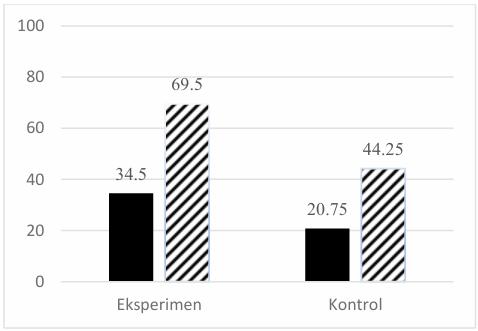
The rapid development of science and technology requires students to possess computational thinking skills as part of 21st-century competencies. This study aims to determine the effect of the Problem-Based Learning model assisted by Augmented Reality on the computational thinking abilities of grade XI students. This research employed a quasi-experimental design with a nonequivalent control group, involving experimental and control classes at SMAN 1 Labuapi. The results showed that the average pretest scores of the experimental and control classes were relatively similar (45.20 and 46.80), while the posttest results indicated a significant improvement in the experimental class (74.50) compared to the control class (58.30). Hypothesis testing confirmed that the implementation of Problem-Based Learning, assisted by Augmented Reality, had a significant effect on students’ computational thinking skills, as evidenced by higher corrected mean scores in the experimental class (67.620) than in the control class (46.130). In conclusion, integrating Problem-Based Learning with Augmented Reality effectively enhances students’ computational thinking abilities. This study suggests that innovative learning models integrated with technology can be used to improve higher-order thinking skills in biology.
Keywords:
problem based learning augmented reality computational thinking biological literacy biology educationReferences
Azizah, N., Setiadi, D., Lestari, T. A., & Jufri, A. W. (2024). Pengaruh model problem based learning berbantuan smart apps creator terhadap kemampuan computational thinking siswa. Journal of Classroom Action Research, 6(2). https://doi.org/10.29303/jppipa.v6i2.7711
Anggraeni, R. V., Natadiwijaya, I. F. & Setyawarno, D. (2025). Pengaruh Model Problem Based Leraning Berbantuan Phet Simulation Terhadap Kemampuan Berpikir Komputasional. Jurnal TPACK IPA, 9(2), 1-14.
Auliya, R. N., Sitthiworachart, J., Joy, M., & Ratanaolarn, T. (2025). Integrating problem-based learning and augmented reality for enhancing problem-solving and computational thinking skills. International Journal of Mobile Learning and Organisation, 20(1), 59-92. https://doi.org/10.1504/IJMLO.2025.135323
Citra, W. R., Suwangsih, E., & Mustikaati, W. (2025). Pengaruh Model Problem Based Learning Berbantuan Media Augmented Reality dalam Meningkatkan Kemampuan Berpikir Kritis Siswa pada Mata Pelajaran IPA. Jurnal Pendidikan Tambusai, 9(1), 749-756. https://jptam.org/index.php/jptam/issue/view/31
Cynthia, R. E., & Sihotang, H. (2023). Melangkah bersama di era digital: pentingnya literasi digital untuk meningkatkan kemampuan berpikir kritis dan kemampuan pemecahan masalah peserta didik. Jurnal Pendidikan Tambusai, 7(3), 31712- 31723. DOI.10.31004/jptam.https://jptam.org/index.php/jptam/article/view/12179?utm_
Dewi, N. P., Vani, A. T., Abdullah, D., & Triansyah, I. (2025). Efektivitas Penggunaan Teknologi Augmented Reality (AR) dan Virtual Reality (VR) dalam Pembelajaran Anatomi: Tinjauan Literatur. Nusantara Hasana Journal, 4(10), 240-248. https://nusantarahasanajournal.com/index.php/nhj/article/view/1431
Einsthendi, A. D., Rasyid, M. I. A., & Wicaksono, J. B. (2024). Augmented reality: Impact on student engagement and learning. Hipkin Journal of Educational Research, 1(2), 239–250. https://doi.org/10.64014/hipkin-jer.v1i2.22
Kadarwati, S., Suparman, S., & Astutik, K. (2020). Keefektifan computational thinking (CT) dan problem based learning (PBL) dalam meningkatkan kreativitas siswa terhadap penyelesaian soal cerita materi perbandingan (skala pada peta) di sekolah dasar. Jurnal Karya Pendidikan Matematika, 7(1), 63–68. https://doi.org/10.26714/jkpm.7.1.2020.63-68
Lestari, A. C., & Annizar, A. M. R. (2020). Proses Berpikir Kritis Siswa dalam Menyelesaikan Masalah PISA Ditinjau dari Kemampuan Berpikir Komputasi. Jurnal Kiprah, 8(1), 46-55.https://doi.org/10.31629/kiprah.v8i1.2063
Otto, S., Körner, F., Marschke, B. A., Merten, M. J., Brandt, S., Sotiriou, S., & Bogner, F. X. (2020). Deeper Learning as Integrated Knowledge and Fascination For Science. International Journal of Science Education, 42(5), 807-834. https://doi.org/10.1080/09500693.2020.1730476
Prandifa, R., Arsih, F., & Alberida, H. (2023). Pengaruh Model Pembelajaran Problem Based Learning terhadap Kemampuan Berpikir Kritis Siswa pada Pelajaran Biologi SMA. Jurnal Pendidikan Tambusai, 7(1), 407-417. https://doi.org/10.31004/jptam.v7i1.5413
Pratiwi, G. L., & Akbar, B. (2022). Pengaruh Model Mroblem Based Learning Terhadap Keterampilan Computational Thinking Matematis Siswa Kelas IV SDN Kebon Bawang 03 Jakarta. Didaktik: Jurnal Ilmiah PGSD STKIP Subang, 8(1), 375-385. https://doi.org/10.36989/didaktik.v12i02
Putri, N. A., Setiadi, D., & Lestari, T. A. (2024). Pengaruh Model Problem Based Learning Berbasis Pembelajaran Diferensiasi Terhadap Kemampuan Computational Thinking Siswa Kelas XI IPA di SMAN 7 mataram. Pendas: Jurnal Ilmiah Pendidikan Dasar, 9(1), 4058-4068. https://doi.org/10.29303/01q8mt65
Sari, A. P., & Munir, M. (2024). Pemanfaatan Teknologi Digital dalam Inovasi Pembelajaran untuk Meningkatkan Efektivitas Kegiatan di Kelas. Digital Transformation Technology, 4(2), 977-983. https://doi.org/10.47709/digitech.v4i2.5127
Setiadi, D., Lestari, T. A., & Jufri, A. W. (2024). Pengaruh Model Problem Based Learning Berbantuan Smart Apps Creator Terhadap Kemampuan Computational Thinking Siswa. Journal of Classroom Action Research, 6(2), 371-377. https://doi.org/10.29303/jppipa.v6i2.7711
Sholikhah, U. P., Rahmawati, N. D., & Purwantini, L. (2023). Implementasi Implementasi Model Problem Based Learning dengan Media Augmented Reality Terhadap Hasil Belajar Siswa. Eksponen, 13(2), 57-65. Prefix 10.20961. https://jurnal.uns.ac.id/eksponen/article/view/74639
Sulhaliza, A. P., Ermawati, D., & Setiawaty, R. (2025). Penerapan model PBL berbantuan media augmented reality terhadap kemampuan pemecahan masalah matematis siswa. Absis: Mathematics Education Journal, 7(1), 57-66. https://doi.org/10.32585/absis.v7i1.6528
Thahir, R., & Kamaruddin, R. (2021). Pengaruh media pembelajaran berbasis augmented reality (AR) terhadap hasil belajar biologi siswa SMA. Jurnal Riset Dan Inovasi Pembelajaran, 1(2), 24-35. https://doi.org/10.51574/jrip.v1i2.26
Widyastuti, R. T., & Airlanda, G. S. (2021). Efektivitas model problem based learning terhadap kemampuan pemecahan masalah matematika siswa sekolah dasar. Jurnal Basicedu, 5(3), 1120-1129. https://doi.org/10.31004/basicedu.v5i3.896
Wulandari, I. A., Mu'min M. B., & Firdaus, M. G. (2021). Peningkatan Keterampilan Berpikir Kritis (KBKr) Melalui Pembelajaran Biologi Berbasis Keterampilan Proses Sains. Jurnal Bioeduin, 11(1), 63-69. . https://journal.uinsgd.ac.id/index.php/bioeduin/article/view/11593
Yuntawati, Y., Sanapiah, S., & Aziz, L. A. (2021). Analisis kemampuan computational thinking mahasiswa dalam menyelesaikan masalah matematika. Media Pendidikan Matematika, 9(1), 34-42. https://e-journal.undikma.ac.id/index.php/jmpm